
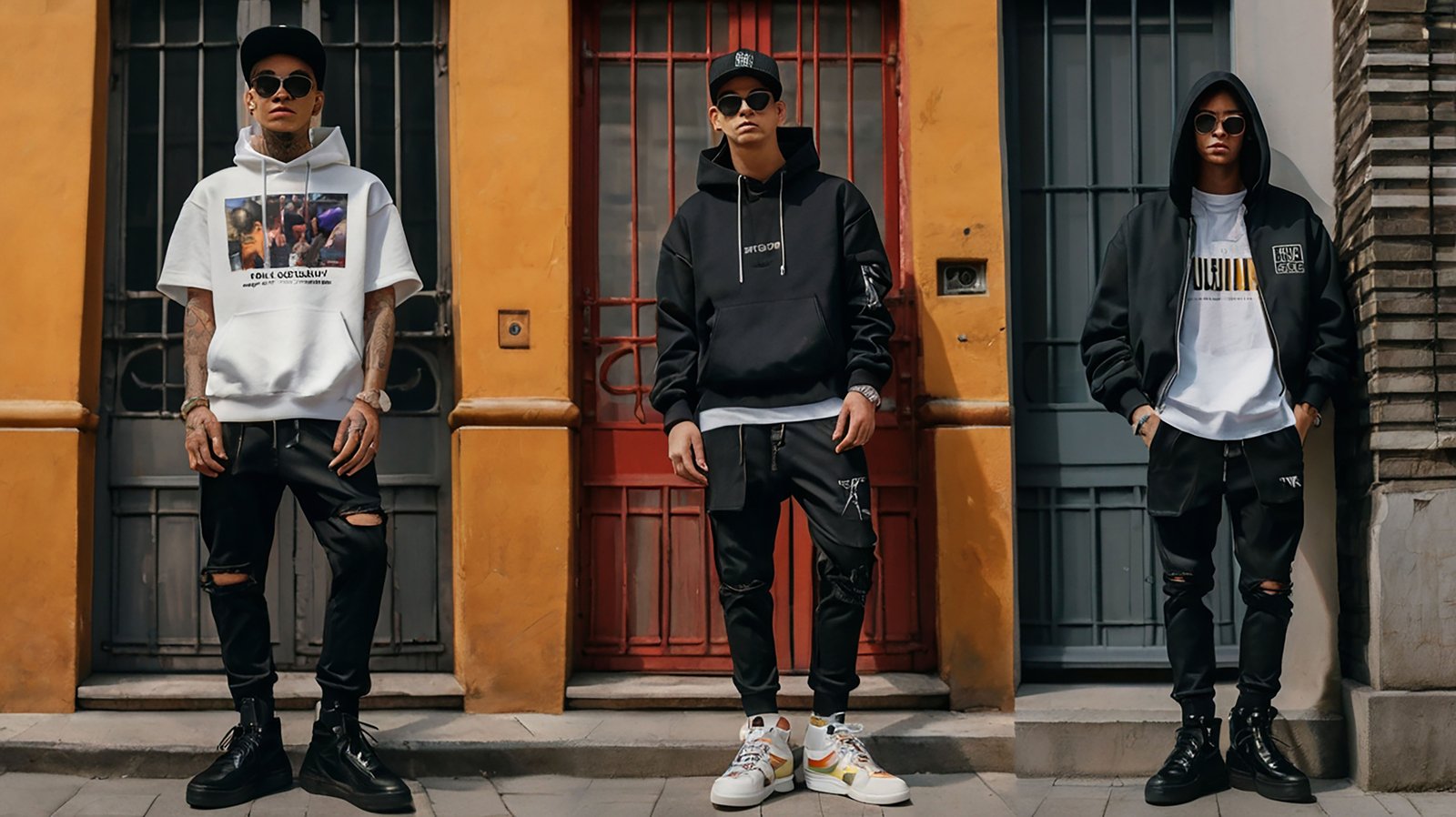
Streetwear has evolved far beyond oversized hoodies and graphic T-shirts. What once started as a niche fashion movement inspired by skateboarding, hip-hop culture, and urban creativity has now become a global lifestyle industry. Today, premium streetwear represents identity, confidence, culture, and personal expression.
From luxury collaborations to minimalist everyday essentials, modern consumers are no longer buying clothing only for comfort. They are investing in quality, exclusivity, and branding that reflects their personality. Whether someone is walking through city streets, working remotely from a café, traveling internationally, or building a social media presence, fashion has become part of how people communicate without speaking.
Understanding why premium streetwear matters is not only about style trends. It also connects to fabric quality, brand identity, modern lifestyle culture, comfort-driven fashion, and the growing influence of digital communities.
The Rise of Streetwear Culture
Streetwear first gained popularity through underground communities. Skate culture, music scenes, sportswear influence, and independent fashion labels all played major roles in shaping its identity.
Over time, social media and celebrity influence pushed streetwear into mainstream fashion. Limited drops, branded merchandise, and logo-driven designs created a sense of exclusivity and demand. Today, premium streetwear brands combine luxury aesthetics with casual comfort, making them appealing to a wide audience.
Unlike traditional fashion, streetwear focuses heavily on individuality. People wear it not only because it looks good but because it represents culture, creativity, and confidence.
Why Quality Matters in Premium Apparel
Not all T-shirts, hoodies, or caps are made the same. One major difference between fast fashion and premium streetwear is material quality and construction.
1. Better Fabric Construction
Premium apparel often uses:
- Ring-spun cotton for softness
- Heavyweight cotton for durability
- Pre-shrunk fabrics for shape retention
- Double stitching for longer lifespan
Higher-quality fabrics maintain their fit and texture even after multiple washes, making them more reliable for long-term wear.
2. Comfort for Everyday Wear
Modern lifestyles demand clothing that feels comfortable throughout the day. Whether working remotely, traveling, attending events, or simply relaxing, people now prefer versatile outfits that combine comfort with style.
Premium streetwear balances both without compromising appearance.
3. Long-Term Durability
Cheaper clothing often fades, stretches, or loses shape quickly. Premium products are designed to withstand regular wear while maintaining their original structure and print quality.
This makes them a better investment over time.
The Psychology Behind Branded Fashion
Fashion is deeply connected to identity. People naturally choose brands that reflect their personality, values, and lifestyle.
Branded apparel creates:
- A sense of belonging
- Confidence and self-expression
- Emotional connection with a brand
- Visual identity in social environments
This is one reason why logo-based streetwear remains so popular. Strong branding transforms simple products into recognizable lifestyle pieces.
For many consumers, wearing premium merchandise is not just about fashion. It is about representing a community, mindset, or creative culture.
Minimalist Fashion and Modern Lifestyle Trends
Modern fashion trends are moving toward simplicity and versatility. Instead of buying large amounts of clothing, many people now prefer curated wardrobes with fewer but higher-quality pieces.
This shift is influenced by:
- Minimalist lifestyle trends
- Remote work culture
- Travel-focused living
- Sustainability awareness
- Capsule wardrobe concepts
A premium black T-shirt, clean hoodie, or minimal cap can be styled in multiple ways without looking repetitive.
For digital nomads, travelers, and modern professionals, versatile clothing has become more practical than trend-based fast fashion.
Why Accessories Matter in Streetwear
Streetwear is not limited to clothing. Accessories play a major role in completing the overall aesthetic.
Popular lifestyle accessories include:
- Caps and headwear
- Fragrances
- Jewelry
- Minimal packaging designs
- Branded lifestyle items
Luxury-inspired packaging and premium presentation also influence customer perception. Modern consumers value aesthetics almost as much as the product itself.
This is why brands now focus heavily on product presentation, unboxing experiences, and visual identity.
Common Mistakes People Make When Buying Streetwear
Many customers focus only on appearance and ignore important quality factors. Common mistakes include:
- Choosing low-quality prints that crack quickly
- Ignoring fabric composition
- Buying oversized fits without checking measurements
- Prioritizing trends over versatility
- Choosing cheap fast-fashion alternatives
Understanding fabric quality and construction helps buyers make smarter long-term decisions.
How to Choose Quality Streetwear Products
When shopping for premium apparel, consider these factors:
Fabric Quality
Look for heavyweight cotton, soft blends, or pre-shrunk fabrics.
Stitching and Construction
High-quality stitching improves durability and shape retention.
Print Quality
Premium printing techniques prevent cracking and fading.
Brand Identity
Strong branding often reflects attention to design consistency and product detail.
Versatility
Choose pieces that work across multiple outfits and occasions.
A good streetwear product should combine comfort, durability, and visual appeal.
The Future of Premium Fashion
Fashion continues to evolve alongside technology and lifestyle changes. Social media, creator culture, and online branding are shaping how people discover and wear clothing.
Consumers are increasingly interested in:
- Limited-edition products
- Sustainable manufacturing
- Minimalist branding
- Quality over quantity
- Lifestyle-focused fashion
Premium streetwear brands are growing because they connect fashion with identity and culture rather than simply selling clothes.
FAQs
What makes streetwear “premium”?
Premium streetwear focuses on higher-quality materials, better construction, unique branding, and long-term durability compared to standard fast fashion.
Are premium T-shirts worth the price?
Yes. Higher-quality fabrics and stitching help premium shirts last longer, maintain fit, and feel more comfortable.
Why is minimalist fashion becoming popular?
People prefer versatile clothing that works across multiple situations while reducing unnecessary purchases.
Do premium hoodies shrink less?
Many premium hoodies use pre-shrunk fabrics and better manufacturing techniques, which reduce shrinkage compared to cheaper alternatives.
How can I tell if clothing is high quality?
Check fabric weight, stitching quality, print finish, and overall construction details.
Conclusion
Premium streetwear is no longer just a fashion trend. It has become part of modern culture, self-expression, and everyday lifestyle. From high-quality T-shirts and hoodies to stylish accessories and minimalist branding, people now expect clothing to combine comfort, durability, and identity.
As fashion continues evolving toward quality-focused and lifestyle-driven products, premium apparel remains one of the strongest expressions of modern style.
Choosing better fabrics, timeless designs, and durable products not only improves appearance but also creates long-term value and confidence in everyday wear.
Discover Premium Style with CWC Chocolate
At CWC Chocolate, we believe fashion should combine bold identity, premium quality, and modern lifestyle aesthetics. Our collection is designed for people who value comfort, confidence, and standout branding.
Explore our premium T-shirts, hoodies, caps, fragrances, and accessories today to experience fashion that goes beyond ordinary style.
T-shirts are one of the most universal clothing items across the world. From everyday casual wear to travel essentials for digital nomads and remote workers, a simple tee is part of almost every wardrobe. Yet, one of the most frustrating laundry problems people face is unexpected shrinkage after washing.
Whether you are managing a minimalist wardrobe while living abroad, adjusting to different washing systems during global mobility, or simply doing laundry at home, shrinking clothes can quickly turn a perfect fit into something unwearable.
Understanding why T-shirts shrink is not just about laundry habits. It connects to fabric science, textile manufacturing processes, heat exposure, and even how modern lifestyles rely on convenience over care.
Why T-Shirts Shrink: The Science Behind It
Most T-shirts are made from cotton or cotton-blend fabrics. Cotton is a natural fiber made from cellulose, and it has a unique structure that reacts strongly to heat, water, and mechanical movement.
1. Fiber Relaxation and Tension Release
During manufacturing, cotton fibers are stretched and processed under tension. When exposed to water and heat, these fibers relax back toward their natural state, causing fabric contraction. This is known as relaxation shrinkage.
2. Heat Exposure in Washing and Drying
High temperatures are one of the biggest causes of shrinkage. Hot water and tumble drying cause cotton fibers to contract more aggressively. In many cases, the dryer is responsible for most of the size loss, not the washing machine.
3. Mechanical Agitation
Washing machines use spinning and tumbling actions. This constant friction causes fibers to tighten and interlock. Over time, this leads to a denser and smaller fabric structure.
4. Fabric Type and Construction
Not all T-shirts are made the same. Some fabrics shrink more than others depending on how they are processed. Key textile concepts include:
- Sanforization, a pre-shrinking process used in high-quality cotton fabrics to reduce shrinkage.
- Ring-spun cotton, which is softer but still prone to slight shrinkage.
- Cotton-polyester blends, which are more resistant to shrinking due to synthetic fiber stability.
Understanding these fabric differences is essential, especially for people who travel frequently or live a digital nomad lifestyle, where clothing durability matters more.
Common Mistakes That Cause Shrinkage
Many people unintentionally damage their clothes through everyday laundry habits. Some of the most common mistakes include:
- Washing clothes in hot water by default
- Using high dryer heat settings
- Overloading the washing machine
- Ignoring garment care labels
- Washing cotton and synthetic fabrics together without separation
- Leaving clothes in the dryer for too long after the cycle ends
These habits may seem harmless but significantly affect fabric lifespan and fit over time.
Fabric Types and Their Shrinkage Behavior
Understanding fabric composition helps you predict how your T-shirts will behave after washing.
1. 100% Cotton
Highly breathable and comfortable, but also the most prone to shrinkage if not pre-treated.
2. Pre-Shrunk Cotton
Manufactured using controlled processes like sanforization to reduce future shrinkage. Still not completely shrink-proof but much more stable.
3. Cotton-Polyester Blends
Common in modern fast fashion and travel clothing. Polyester adds stability, reducing shrinkage and improving durability.
4. Specialty Performance Fabrics
Used in sportswear and travel apparel, these fabrics are engineered for moisture control, wrinkle resistance, and dimensional stability, making them ideal for remote workers and frequent travelers.
For people living a global lifestyle, especially those moving between different climates or laundry systems, choosing the right fabric becomes a practical decision rather than just a style choice.
How to Prevent T-Shirt Shrinkage
Preventing shrinkage is mostly about temperature control and gentle care. Here are practical steps:
Wash in Cold Water
Cold water is significantly safer for cotton fibers. It reduces fiber relaxation and minimizes structural change.
Use Gentle Cycles
A delicate or gentle wash cycle reduces mechanical stress on fabrics.
Avoid High Heat Drying
Air drying is the safest method. If using a dryer, choose low heat or tumble dry settings.
Remove Clothes Early
Do not over-dry. Extended heat exposure increases shrinkage risk.
Read Care Labels
Manufacturers include specific instructions based on fabric testing. Ignoring them often leads to avoidable damage.
Wash Similar Fabrics Together
Separating heavy fabrics like denim from lightweight cotton prevents unnecessary abrasion. These simple adjustments can dramatically extend the lifespan of your clothing, especially for people who rely on a small travel wardrobe or capsule wardrobe system.
Lifestyle Factor: Why This Matters for Travelers and Remote Workers
For people living a digital nomad lifestyle or working remotely across countries, clothing care becomes part of everyday adaptation. Laundry systems vary widely across regions. In some places, hot washing is the norm due to hygiene standards, while in others cold washing is standard.
Expat lifestyle adjustments often include learning new laundry practices in shared apartments, serviced accommodations, or local laundromats. Even differences in electricity costs and water heating systems can influence washing habits.
From a cost of living perspective, replacing damaged clothing frequently adds unnecessary expense. In high-cost cities or while traveling, maintaining clothing quality directly impacts budget management and sustainability.
Healthcare systems and climate also indirectly play a role. In humid regions, people may wash more frequently, increasing exposure to heat and agitation cycles, which raises shrinkage risk if not managed carefully. Understanding garment care is therefore not just a laundry topic, but part of practical global living skills.
What to Do If Your T-Shirt Has Already Shrunk
If your T-shirt has already shrunk, recovery options are limited but not impossible:
- Soak it in lukewarm water with a small amount of conditioner to relax fibers.
- Gently stretch it while damp to regain some shape.
- Lay it flat to air dry while reshaping it manually.
These methods do not fully restore original size but may improve fit slightly.
FAQs
Why do cotton T-shirts shrink after washing?
Cotton fibers relax and contract when exposed to heat and water, causing the fabric to reduce in size.
Does cold water prevent T-shirt shrinkage?
Yes, cold water reduces fiber contraction and is the safest option for maintaining original size.
Is the dryer the main cause of shrinkage?
In most cases, yes. High heat drying is the biggest contributor to shrinkage.
Are polyester T-shirts shrink-proof?
They are not completely shrink-proof, but polyester significantly reduces shrinkage compared to pure cotton.
Can a shrunken T-shirt be fixed?
It can sometimes be partially restored using soaking and stretching methods, but full recovery is not guaranteed.
Conclusion
T-shirt shrinkage is a predictable result of fabric science, heat exposure, and mechanical stress. It is not random, and it is largely preventable with the right care habits.
Whether you are managing a wardrobe at home, traveling frequently, or living a remote work lifestyle across different countries, understanding how fabrics react to washing conditions helps you maintain clothing quality and reduce unnecessary replacement costs.
In practical terms, cold water washing, low heat drying, and proper fabric selection are the most effective strategies. Small changes in laundry habits can significantly extend the life of your clothing and improve long-term value.
Need Help? Contact CWC Shop Today
Choosing the right T-shirts and taking care of them properly can save you from shrinkage issues and help your wardrobe last longer. Small decisions like fabric selection and proper washing methods make a big difference in fit, comfort, and durability.
If you need guidance or have any questions, CWC Shop in Medford, New York is here to help. Contact us today or place your order now to get quality clothing that fits your style and lasts longer.